
Over the years, our understanding of the universe has changed drastically with every scientific breakthrough paving the path to a clearer picture. Even today, there is much left to be known about our cosmos.
But that’s of no consequence to our illustrious poets, writers and artists. They have the creative freedom to imagine a world which defies the laws of physics and can weave countless stories around it, turning it into a legend.
Venus is one such world.
Venusian Knowledge Today
Today, any six-year-old would be only too happy to regale you with their knowledge of earth’s twin sister.
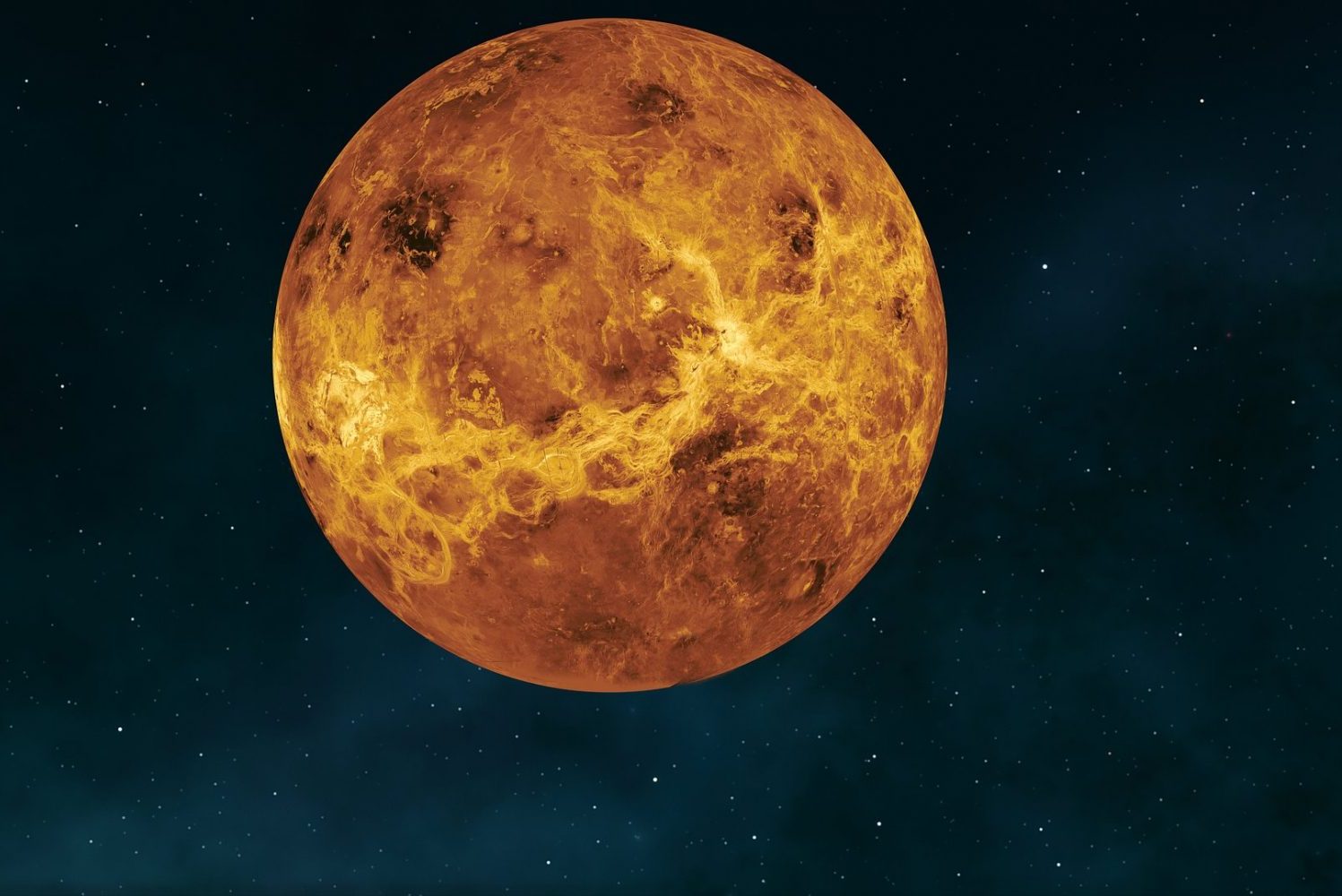
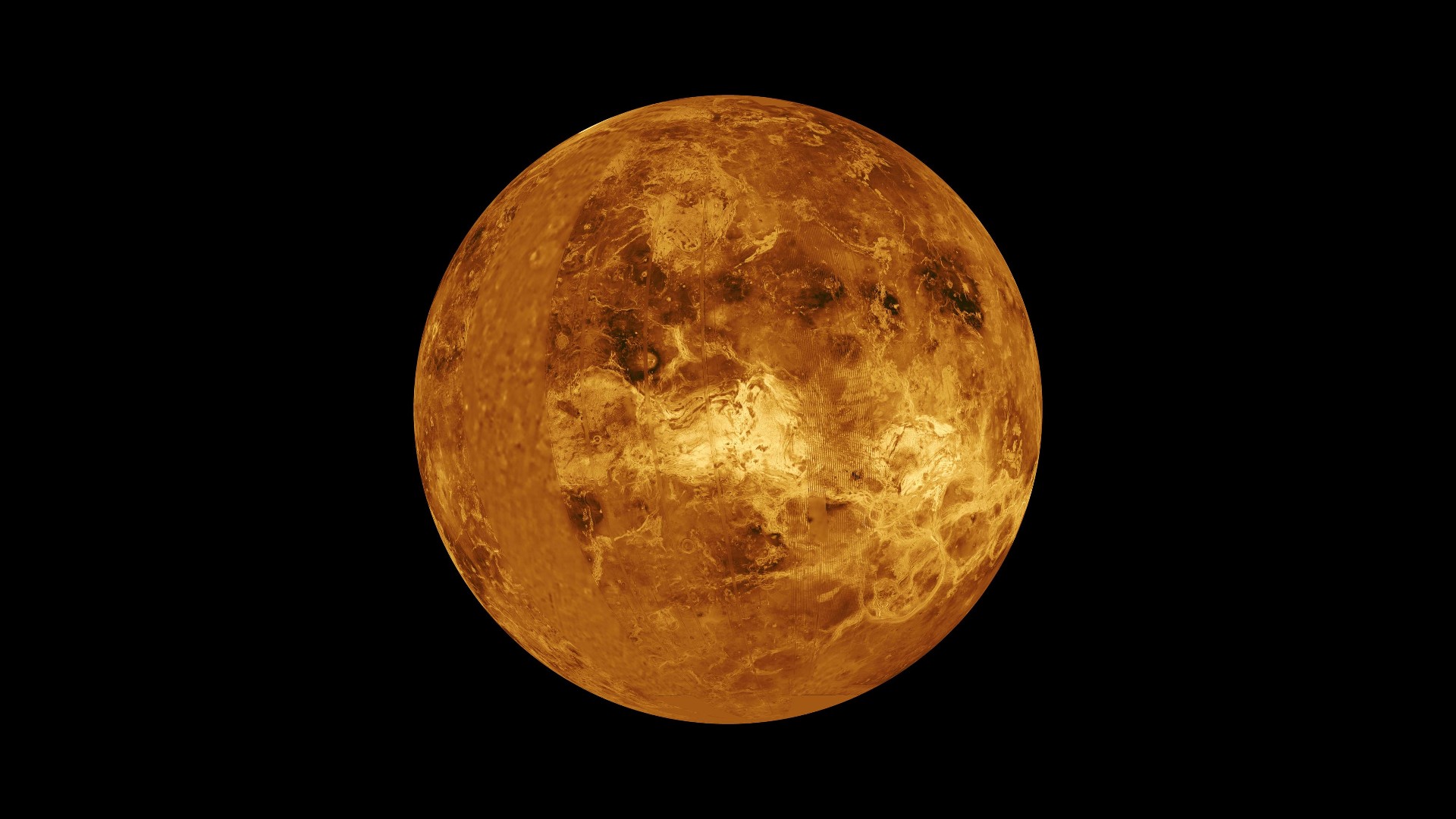
Venus is the second planet from sun, they would tell you, with an all-knowing smirk, and it’s the hottest planet in the solar system, with a thick atmosphere full of carbon dioxide. Oh, and don’t you try to visit it, they add, warningly. It’s very unsuitable for life.
Why does the six-year-old know so much? It’s because space agencies from around the globe have contributed to this knowledge, and indeed, it is something we ought to take pride in.
But for a while, let’s look away from the grandeur of the present and step back into the past.
True History
Venus was first used as a setting in the form of ‘The Morning Star’ in the book True History written in 2nd century A.D. by Greek author Lucian of Samosata.
True History is the first known specimen of sci-fi, including aliens and space wars. It’s a parody a popular genre of the time – travelogues. Travelogues had gained so much traction that authors began to make up fantastical, exaggerated stories about ‘lands far, far away’ just to keep the readers entertained.
Lucian set out to do the same in his satire, but started out by declaring that it was full of lies. In summary, a group of travelers are blown off by a storm to an island with a river of wine, then swept by a whirlwind to the moon, where the kings of the sun and moon are engaged in battle over the colonization of the ‘Morning Star’.
The Sun wins and the armies come to a peace agreement. On returning to the earth, the travelers are swallowed by a 320 km long whale. They escape by lighting a bonfire in the whale’s belly, and discover a sea of milk, land of cheese and – that should give a fair idea about the rest of the book.
Varied Representations
Note that the Morning Star is never actually used as a setting. So, did this book really kick-start Venusian voyages? Not really. That honor goes to the 1865 novel Voyage à Venus by French author and playwright Achille Eyraud, later translated to English as Voyage to Venus.
This particular book has many feathers to its hat, including the first detailed description of a rocket-powered spaceship. Interestingly, it was published in the same year as Jules Verne’s (often hailed as the father of science fiction alongside HG Wells) From the Earth to the Moon, which featured a fantastical means of escaping our planet.
But that’s a story for another day.
Venus, as our six-year-old informed us, is enveloped with a thick atmosphere, making it impossible for telescopes to glimpse the surface beneath it for a very long time, creating a sense of mystery, a pull of the unknown, and it became a valuable asset for authors who wanted their imagination to run wild. Every person had their own perception of the surface of Venus, but the general idea was that of a lush, tropical untamed landscape.
By the time the story To Venus in Five Seconds by Fred T. Jane (credited with creating teleportation, which I discussed in a previous post) was published in 1895, Venus was perceived as covered with swamps and jungles.
A few years later it was envisioned as a planet covered primarily with water bodies with a few islands here and there. A third and last theory from the same time has Venus covered with deserts.
Changing Views
In the 1930s, scientists started viewing the idea of life on Venus with increasing contempt. Probes, especially NASA’s Mariner 2, launched in 1962, established that the conditions of Venus were too hostile to support life, with temperatures reaching up to 500°C.
After these discoveries, interest in Venusian fiction gradually diminished. The few books about Venus were still published had a very different tone. While early depictions (usually) had the colonization of Venus as the main plot, now they changed to Robinson Crusoe-esque survivor books.
This is the Venus we behold today in the pages of modern books.
Clearly, this plunge in popularity for Venus has made the Venus canon decelerate in growth with unprecedented speed. Therefore, popular interest has diverted to our other celestial neighbor – Mars.
Will the interest in the Red Planet persevere for longer than the Evening Star, perhaps even realizing some dreams of science fiction authors? Or will it also diminish into history, never to be touched upon again?
As soon as you have an idea that changes some part of the world you are writing science fiction.
- Ray Bradbury
- BracketRocket
Comments
Post a Comment